




20 August 2026 marked an important new milestone for EUROLakes as the project welcomed three newly selected replication lake initiatives from Türkiye and Albania. Their onboarding marks the beginning of a new phase in the project: taking the knowledge, approaches and nature-based solutions developed and tested at EUROLakes’ demonstration lakes and tailoring them to new lake landscapes and local realities.
The three new replication sites – Lake Manyas and Lake Sapanca in Türkiye, and Lake Shkodra in Albania – joined the EUROLakes team for their first collective onboarding session on 20 August. The meeting brought together the new replication partners with EUROLakes work package leaders and experts to introduce the project’s methodology, landscape approaches and opportunities for collaboration.
From three demonstration lakes to new landscapes
Replication is at the heart of EUROLakes’ ambition to scale up integrated approaches to lake restoration. The project is demonstrating nature-based solutions and participatory approaches at three European natural lakes — Lake Vico in Italy, Lake Dümmer in Germany and Lake Bistreț in Romania — while documenting what works, how it can be adapted and what is needed to make restoration sustainable in the long term.
The EUROLakes Replication Call, launched in 2025, invited local and regional authorities from eligible European and Horizon Europe-associated countries to propose lake restoration initiatives inspired by the project’s demonstration work. The call attracted applications from regions facing challenges comparable to those addressed by EUROLakes, with selection based on factors including the characteristics and ecological status of the lakes, data availability, governance context and access to local communities.
Three projects were selected. Each will receive financial support and work with EUROLakes partners to develop tailored replication plans and roadmaps, strengthen local capacities and explore how approaches such as nature-based solutions and the 4 Returns Framework can be adapted to their specific landscapes.
Which are the three lakes?
Although the three replication sites share a commitment to healthier and more resilient lake ecosystems, each brings a distinct environmental and socio-economic context to the EUROLakes community.
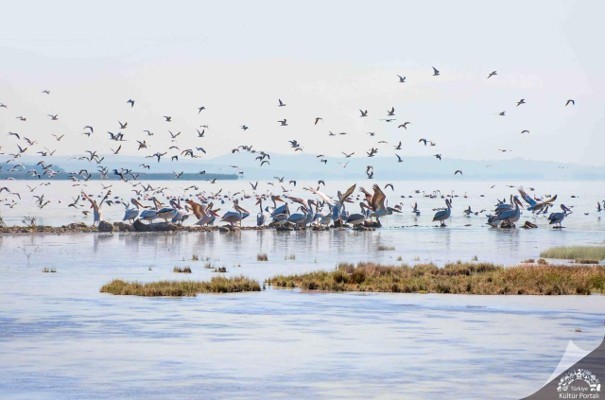
Lake Manyas, Türkiye, faces pressures associated with the legacy of lead mining, agricultural runoff and the risk of eutrophication. The replication initiative will explore practical nature-based measures including buffer zones, micro-wetlands and reed bed restoration, alongside work to strengthen the conditions needed for long-term restoration.
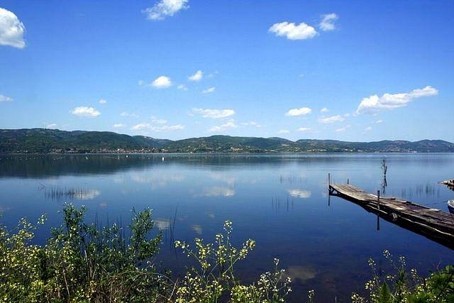
Lake Sapanca, Türkiye, is facing a particularly urgent challenge as water levels and water availability put pressure on this important freshwater and drinking-water source. The replication initiative will investigate measures such as floating wetlands, biological barriers and nutrient reduction, drawing inspiration from solutions and experiences being developed at the EUROLakes demonstration lakes.
©54mustafa, Tripadvisor
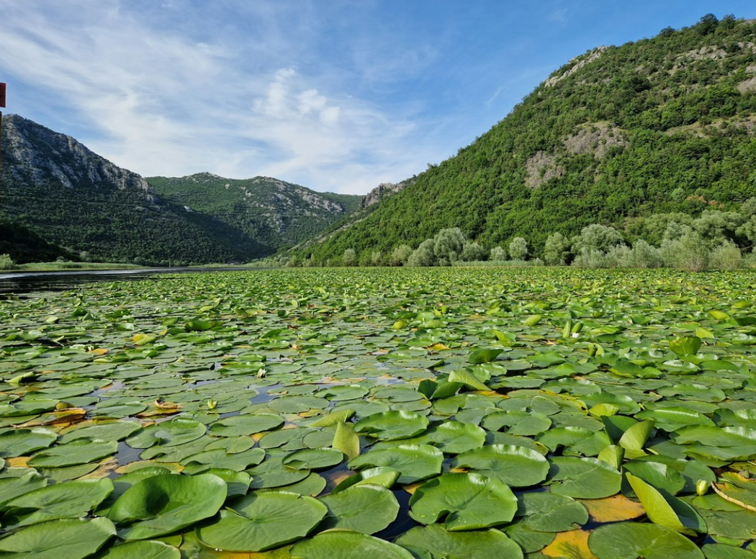
Lake Shkodra, Albania is a transboundary water body shared by Albania and Montenegro, and is one of the most important lake and wetland landscapes in the region. Its replication initiative will focus on addressing nutrient pollution and untreated wastewater while bringing communities and stakeholders together through a community of practice and a restoration roadmap. Planned activities also include exploring nature-based solutions and opportunities to strengthen sustainable nature tourism through bird-watching infrastructure and eco-trails.
Together, the three sites demonstrate the diversity of contexts in which integrated lake restoration needs to work – from pollution and legacy industrial pressures to water scarcity, wastewater management, biodiversity protection and the need to create stronger connections between ecosystems, communities and local economies.
Building connections
The onboarding session was facilitated by Milena Baumert of Global Nature Fund (GNF) and followed an earlier administrative onboarding meeting. She introduced a six-phase process designed to guide the replication partners from their initial orientation towards implementation: orientation, understanding, connection, adapting, finalization and launch.
The process will unfold over the coming 6–8 weeks, combining targeted bilateral meetings, discussions with relevant EUROLakes experts and the development of individual replication roadmaps.
The onboarding also gave the replication partners a first look into the breadth of expertise available across EUROLakes. Work package leaders introduced activities ranging from community engagement and participatory planning, modelling and digital twins, and practical restoration at the demonstration lakes, to nature finance and the 4 Returns approach, replication support, communication and dissemination, and ethics and data management.
Importantly, the discussion began mapping where the different EUROLakes expertise can respond to the specific needs of each replication landscape.
For Lake Manyas, early priorities include exploring support around finance and permits. For Lake Sapanca, modelling and participatory planning emerged as important areas for collaboration. Across all three sites, there is potential for support and exchange around communications, indicators, capacity building and 4 Returns training.
Turning knowledge into locally relevant action
During the next stage, we are stepping from introductions to co-development.
Over the coming weeks, each replication project will take part in individual onboarding meetings and bilateral discussions with the relevant EUROLakes experts. These exchanges will help translate the experience from the demonstration lakes into approaches that make sense for each new landscape rather than simply transferring solutions from one lake to another.
The objective is to finalise the replication roadmaps and implementation plans by early October 2026, setting the foundation for the activities that will continue through the replication period.
With Lake Manyas, Lake Sapanca and Lake Shkodra now formally joining the EUROLakes journey, the project is entering an exciting new phase: connecting demonstration with replication, local experience with European knowledge, and tested approaches with new places and new possibilities.
Because restoring Europe’s lakes is not about finding one solution that works everywhere. It is about learning what works, understanding why it works, and working with local communities and stakeholders to adapt it to the places that need it most.